
Nootropics
Nootropics, also known as cognitive enhancers, improve brain function, including memory, focus, creativity, and sleep. The fusion of FDA-approved medications, brain mapping, and sleep tracking enables precision cognitive enhancement. This is how we practice medicine, built around a level of diagnostic integration most people won't find offered together elsewhere.
Off-label prescribing, using an FDA-approved medication for a purpose other than its labeled indication, is a routine, legal, and common part of medical practice across many specialties, including sleep and neurological medicine. When there's a clinical rationale and supporting evidence, we use it regularly as part of individualized care, guided by your brain mapping and sleep tracking data alongside your full medical history.
Unlike most over-the-counter supplements, the medications referenced below are FDA-approved and rigorously tested, but for specific medical conditions, not for cognitive enhancement in healthy individuals. Their use here for brainwave and cognitive optimization is off-label. Several are also federally controlled substances with real abuse, dependence, and safety considerations that require careful medical supervision.
This page summarizes categories of medication for educational purposes. It reflects how we think through these decisions clinically, not a menu for people to select from. Every medication here is prescribed based on clinical judgment, not patient choice. Medication selection is an individualized clinical decision based on your full history, labs, and risk profile, made together during your consultation. The medications named under each category below are illustrative examples, not an exhaustive list. Other medications may be considered depending on your individual clinical picture, each with its own approval status, risks, and considerations reviewed with you directly.
By leveraging a brain map, we can analyze your neural rhythms—tracking delta waves for deep sleep and restoration, theta waves for creativity and relaxation, alpha waves for calm focus, and beta waves for alertness and problem-solving. In parallel, Sleeptracker-AI data provides quantifiable insights into delta sleep quality and reductions in the sleep fragmentation index, ensuring that interventions enhance deep sleep continuity and minimize disturbances.
Worth noting: the alpha/theta/beta/delta framework below is a simplified educational organization, not a precise clinical mapping. Real drug pharmacology is more complex than a single brainwave band, several medications act on more than one system at once.
In practice, this means we regularly draw on your brain mapping and sleep tracking data, alongside your history and labs, to decide whether an off-label medication is appropriate, and if so, which one, at what dose, and how we'll monitor it. Below is an educational overview of how different medication classes relate to the brainwave categories we track, organized the way we think about these decisions clinically.
Sleep and Brain optimizes brainwave activity with nootropics.
Amplify Alpha Waves
Calm Focus
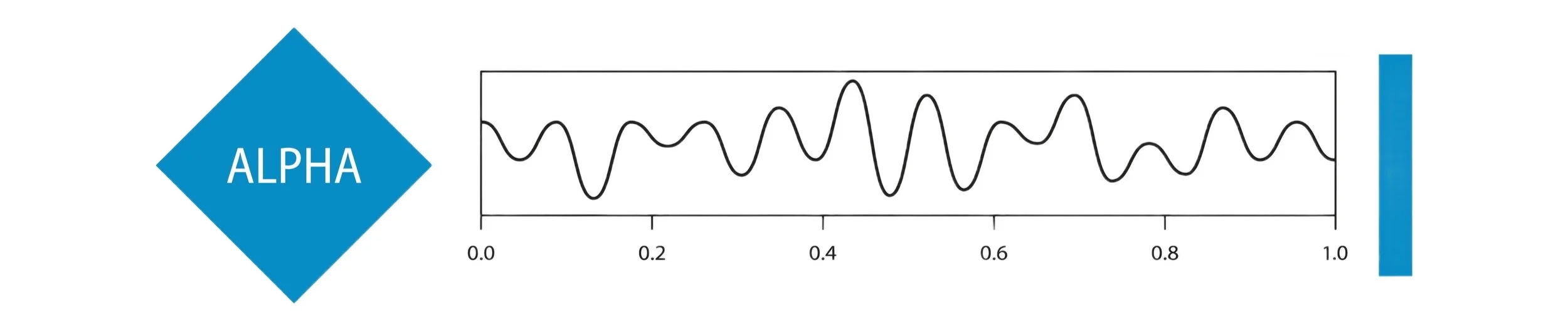
Example: L-Theanine
Boosts alpha waves, promoting relaxed alertness
Reduces beta waves, minimizing stress
Turbocharge Theta Waves
Creativity and Deep Relaxation
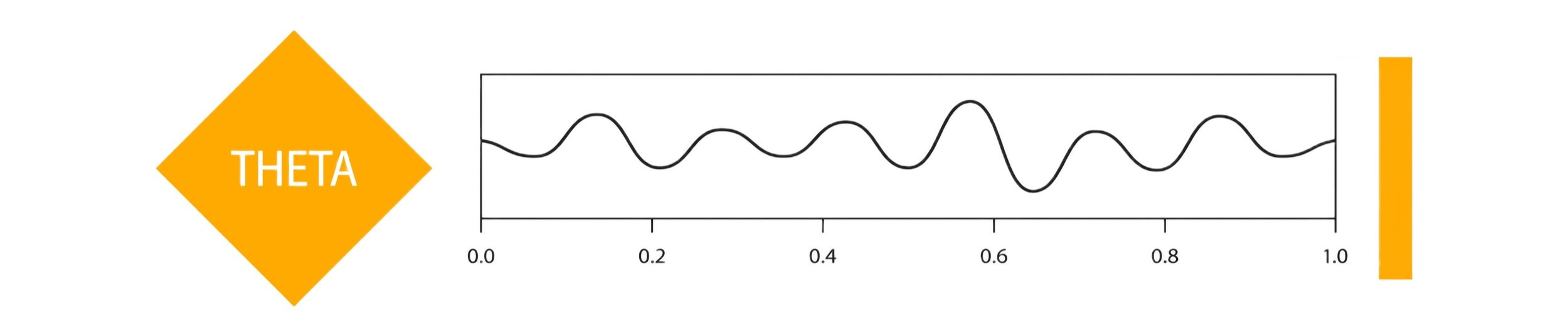
Examples: Dextromethorphan-Buproprion and Ketamine
Both are NMDA receptor antagonists that modulate glutamate signaling; ketamine (Schedule III) is FDA-approved as an anesthetic and dextromethorphan-bupropion is FDA-approved for major depressive disorder, theta-wave effects specifically are not independently verified for either.
Boost Beta Waves
Alertness and Cognition
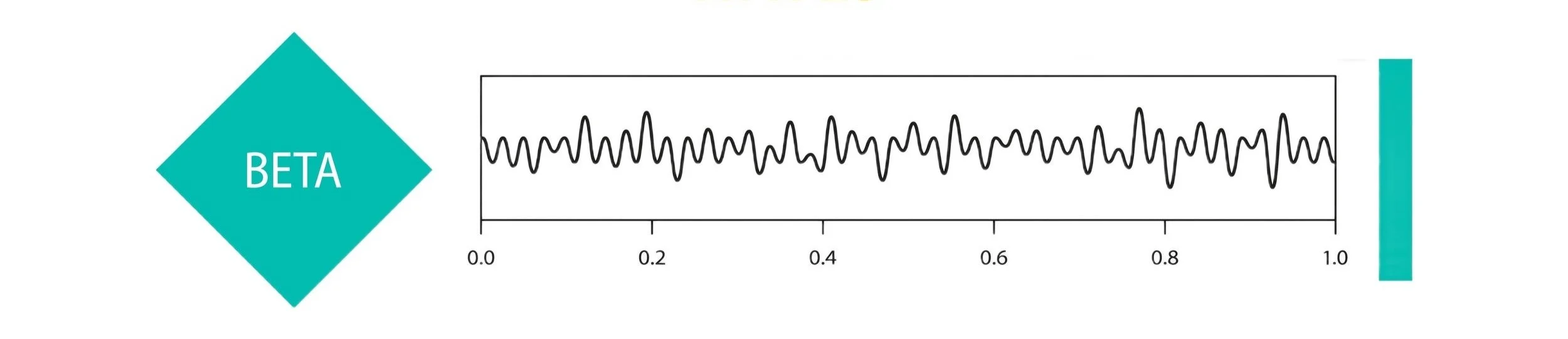
Examples: Modafanil, Solriamfetol, Methylphenidate, Amphetamines
Modafinil and solriamfetol are FDA-approved for narcolepsy/shift-work/OSA-related sleepiness, methylphenidate and amphetamines (Schedule II) for ADHD/narcolepsy, all off-label here and requiring cardiovascular risk screening beforehand.
Deepen Delta Waves
Restorative Sleep
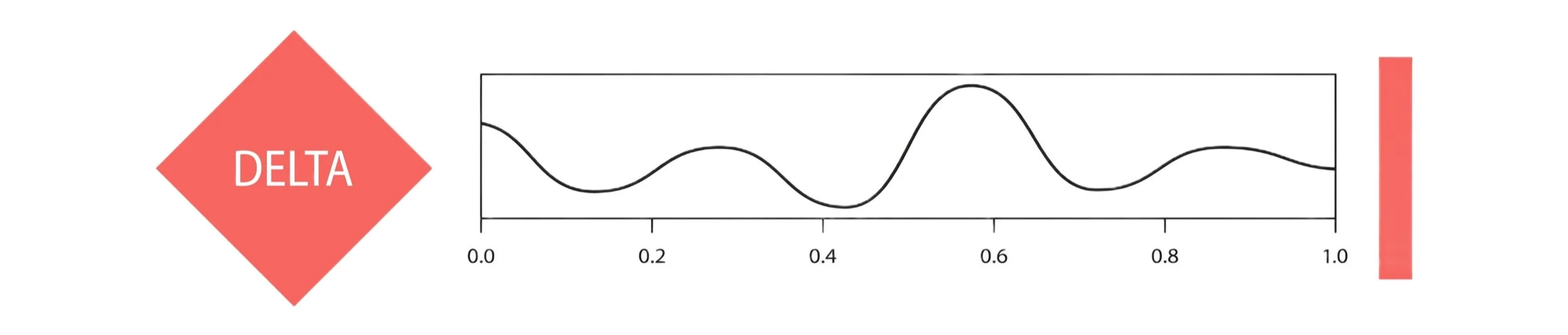
Examples: Sodium Oxybate, Pimavanserin, Lumateperone
Sodium oxybate is FDA-approved for narcolepsy with cataplexy (Schedule III, REMS-restricted), off-label here, and never combined with alcohol or other CNS depressants due to respiratory depression risk. Pimavanserin is FDA-approved for Parkinson's disease psychosis, with off-label sleep support from a placebo-controlled trial (Ancoli-Israel et al., 2011), though it carries a boxed warning for increased mortality in elderly dementia-related psychosis. Lumateperone is FDA-approved for schizophrenia, bipolar depression, and adjunctive MDD (not insomnia), with off-label sleep data from one early trial, and the same dementia-related-psychosis boxed warning as pimavanserin after its own dementia-agitation trial failed.
Sleep and Brain utilizes data-driven optimization. To ensure continuous optimization, interventions are monitored through:
Tracks alpha, theta, beta, and delta wave activity, ensuring medications and interventions remain personalized and optimized.
Sleeptracker-AI Monitoring:
Measures improvements in delta sleep, sleep continuity, and reductions in the sleep fragmentation index, ensuring sustained sleep quality and cognitive restoration.
By combining an EEG-based brain map with Sleeptracker-AI monitoring, we can track how you're actually responding to any medication over time, not just at the point of prescribing, the same ongoing-monitoring approach we use for other off-label prescribing in this practice.
This approach uses real medications, chosen based on your individual clinical picture, alongside brain and sleep monitoring — but it should be understood as individualized, off-label treatment guided by clinical judgment, not a proven system for fine-tuning brain architecture.
Cognitive performance
Sleep quality
Emotional regulation
Long-term neurological health
With the integration of medications alongside a brain map and Sleeptracker-AI data, we now have a broader, more sophisticated toolkit for optimizing brain function and overall well-being. The future of nootropics isn't temporary boosts, it's sustainable, data-driven neuromodulation.
A note on age: several medications discussed on this page carry FDA boxed warnings for increased risk of suicidal thoughts and behavior in patients under 24. This is reviewed individually as part of your evaluation. This page summarizes key points only. Full prescribing information, including complete risk profiles and interactions, is reviewed with you individually before any medication is started.
Frequently Asked Questions
-
Nootropics, also known as cognitive enhancers or smart drugs, may improve cognitive function, memory, creativity, motivation, and focus. They can be natural supplements or prescription medications.
-
Nootropics influence brain chemistry, including neurotransmitters, blood flow, and neuroplasticity. Different types target specific functions, such as increasing dopamine for motivation or acetylcholine for memory.
-
Safety depends more on the individual substance and your personal health history than on whether something is labeled "natural" or "synthetic." Common natural nootropics like caffeine, L-theanine, and bacopa are well-tolerated by most people, but they can still interact with medications. For examples, bacopa with thyroid medication or caffeine with certain stimulants and psychiatric drugs. Prescription nootropics carry their own, generally better-documented side effect profiles and require medical supervision. Either way, the same rule applies: tell your provider about everything you're taking, not just your prescriptions.
-
The effectiveness varies by individual and substance. Some, like caffeine and modafinil, have strong evidence supporting cognitive benefits, while others may have mixed results or limited research.
-
Most natural nootropics are non-addictive, though caffeine is a notable exception. Regular caffeine use can lead to physical dependence, with withdrawal symptoms like headache and fatigue if stopped abruptly. However, stimulants like prescription drugs (e.g., amphetamines) carry risks of dependency with long-term use.
-
Yes, many users combine nootropics in "stacks" to enhance benefits. An example is stacking caffeine and L-theanine to achieve focus and calmness. This applies to common over-the-counter combinations like this one. It does not extend to prescription or controlled-substance nootropics discussed elsewhere on this site. Combining prescription medications without medical guidance can be dangerous (for example, several drug interactions are flagged on our medication overview page). Any prescription-based "stack" should be built and supervised by your provider, not self-directed.
