
Transcranial Magnetic Stimulation

Our brain guides physical function and abstract thinking. It calculates, contemplates, and enables compassion. It makes us who we are. At Sleep and Brain, we help you understand your brain better by measuring and analyzing brainwave patterns. We offer noninvasive, drug free approaches to support brain performance and mental clarity.
The brain is an electrochemical organ. While much of science has focused on the chemical aspects, we take a holistic approach by examining brainwaves, the electrical currents that reflect how neurons communicate. These brainwaves correlate with different mental states like relaxation, focus, and creativity.
Delta Band
Predominates during deep, restorative sleepTheta Band
Associated with creativity, daydreaming, and memory processingAlpha Band
Linked to relaxation, calm alertness, and flow statesBeta Band
Associated with active thinking, problem solving, and concentration
Our process starts by mapping your brain’s unique frequency patterns using EEG, a safe and noninvasive method of measuring electrical activity in the brain. Your brainwave patterns are unique to you and may reflect your current state of focus, rest, or relaxation.
Next, we analyze your EEG to gain insights into your brainwave dynamics. We then use FDA-cleared TMS hardware to deliver a personalized stimulation protocol, informed by your brainwave mapping. This personalized approach, sometimes called qEEG-guided TMS, is a well-tolerated, drug-free technique used to support relaxation, focus, and mental clarity. It's worth being clear about what's FDA-cleared and what isn't: the TMS device itself is FDA-cleared, and specifically FDA-approved for treating depression, OCD, and smoking cessation using standardized protocols (see below). Personalizing the stimulation to your individual brainwave map for general wellness goals like focus and relaxation is an established and growing clinical approach, but it is applied off-label, it uses the same cleared hardware in a way the FDA hasn't specifically evaluated for those goals. TMS is noninvasive, well tolerated, and does not require medication or downtime.
When brainwave patterns are more balanced, some individuals report feeling clearer, more focused, and more rested, these are patient-reported experiences, and the evidence for qEEG-guided TMS improving these specific outcomes in a general (non-clinical) population is still developing. Exploring your unique brainwave profile can provide valuable guidance in optimizing cognitive performance and supporting your overall well being.

Step 1: EEG
We use an advanced high density Electroencephalography (EEG) device to quickly record your brain's electrical activity. This five minute scan maps the function of 130 different areas in your brain, pinpointing regions involved in vision, sensation, auditory processing, movement, and executive function.

Step 2: Brain Map
The electroencephalographic data from Step 1 are processed using specialized FDA-cleared Sourcerer software. This robust analysis breaks down your complex electrical signals to reveal the hidden order of your brain's unique patterns. It quantifies the power, speed, and coherence of your brainwaves (Delta, Theta, Alpha, Beta, Gamma) across all regions, pinpointing areas that are more or less active and mapping how efficiently different regions communicate.
Step 3: Treatment
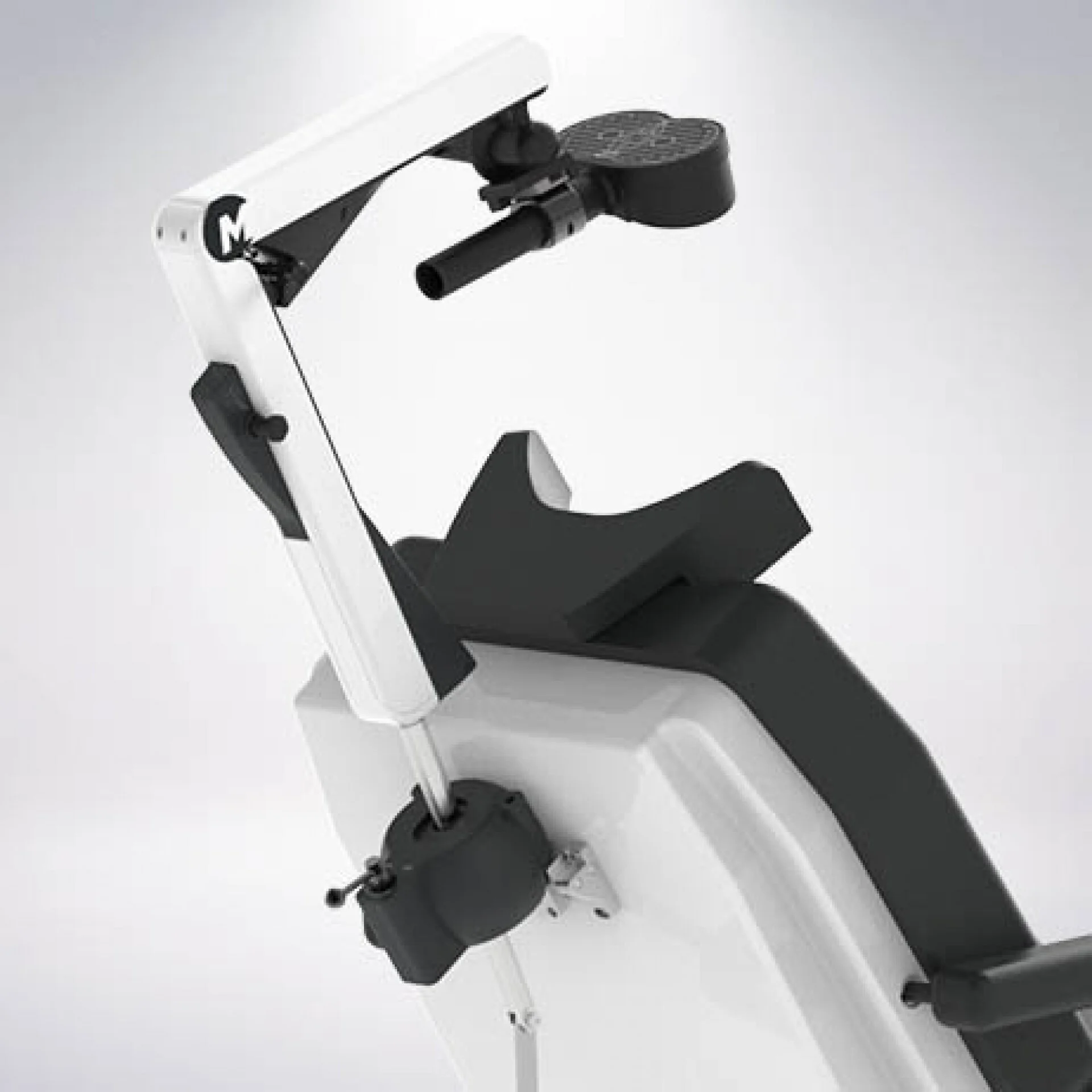
A personalized TMS program is created based on your unique brainwave mapping, with the goal of supporting healthy brainwave synchronicity.
EEG assessments are repeated periodically to track progress and further personalize your care, ensuring your treatment evolves as your brain health improves.
Standard, FDA-Approved Protocols
Beyond personalized, brainwave-guided TMS, we also offer standard TMS protocols, the original, most rigorously studied form of this therapy, with specific FDA approval for three conditions:
Depression TMS was first FDA-approved for treatment-resistant depression in 2008, for adults whose depression hasn't responded adequately to medication. Across the clinical evidence base, roughly 50-60% of patients respond to a standard course of treatment, and 30-40% achieve full remission — outcomes that compare favorably to switching to another antidepressant medication, without the systemic side effects of a drug. TMS is now FDA-cleared for patients from adolescence through later adulthood.
Obsessive-Compulsive Disorder FDA-cleared for OCD in 2018, based on a multicenter, randomized, placebo-controlled trial showing that deep TMS meaningfully reduced OCD symptom severity compared to sham treatment — a genuine option for patients who haven't found sufficient relief through medication or therapy alone.
Smoking Cessation FDA-cleared as an aid to help adults quit smoking, TMS is used alongside standard smoking cessation counseling to help reduce cravings and support abstinence.
All three protocols use standardized, well-established stimulation parameters developed and validated through large clinical trials, distinct from the personalized, brainwave-guided approach described above. TMS sessions are noninvasive, require no anesthesia or sedation, and patients return to normal activities immediately afterward.
Frequently asked questions
-
Transcranial Magnetic Stimulation (TMS) is a unique, non-invasive treatment that utilizes magnetic fields to treat various brain health conditions by effectively regulating brain structures' neural activity found to be associated with those conditions. FDA-cleared to treat depression, OCD and smoking cessation, TMS is well-tolerated and proven effective in alleviating adverse symptoms.
During the TMS treatment process, a figure-eight coil is placed at different areas of your scalp and sends out magnetic pulses that influence the neural activity of the relevant brain structures. The non-invasive treatment process does not require anesthesia, and each session lasts about 20 minutes, allowing you to incorporate them into your daily routine.
-
Treatment involves sitting comfortably in a chair and the operator placing a figure-8 coil at different locations on your head. The coil activates brain regions using directed electromagnetic fields that generate neuronal excitation or inhibition inside the brain.
TMS has been tested in numerous clinical trials worldwide. It can even help individuals who have not responded well to medications or a combination of psychotherapy and medication, particularly in depression, where TMS is FDA-approved specifically for individuals who haven't responded adequately to antidepressant medication.
-
A growing body of research has found that TMS successfully alleviates symptoms of brain health conditions, specifically the conditions it's FDA-cleared to treat.
These studies use gold-standard benchmarks, such as randomized, double-blind protocols and in-depth analyses, to reach evidence-based conclusions. Well-regarded journals such as The American Journal of Psychiatry, World Psychiatry, and the Journal of Psychiatric Research publish the studies.
Due to its success in offering symptom relief and a favorable safety profile, TMS is FDA cleared to treat major depressive disorder (MDD), obsessive-compulsive disorder (OCD), and smoking cessation.
-
The U.S. Food and Drug Administration (FDA) cleared the MagVenture TMS device to treat depression and OCD in individuals who failed to respond to antidepressant medications and psychotherapy. Several clinical trials demonstrate efficacy. TMS is not painful or disruptive, does not cause systemic side effects, and does not require hospitalization or anesthesia.
TMS is a well-tolerated treatment option with a favorable safety profile. Trained professionals operate the TMS system and follow specific guidelines designed to ensure your safety. It is a non-invasive treatment course not associated with systemic side effects. The most common side effects are local. mild scalp discomfort or headache during or shortly after treatment, which typically fade within the first week of sessions. Serious side effects, including seizure, are rare, occurring in well under 1% of patients without a personal or family history of seizure disorder. The staff provides extra care to facilitate a comfortable experience for you.
A 2019 study published by the Journal of Psychiatric Research underscored TMS's advantages by finding that acombining TMS Deep TMS with antidepressant medication was a safe treatment course that offered significantly greater symptom relief than antidepressant medication alone. These results show that TMS can enhance existing therapies while offering its unique advantage when treating brain health issues.
-
Individuals undergoing TMS treatment may experience a mild headache or scalp discomfort during the procedure, with some reporting a tapping sensation in the targeted area. The device also produces a clicking sound with each pulse; earplugs or other hearing protection are typically provided during sessions. Generally, side effects such as headaches that may arise following the TMS procedure are mild and tend to pass quickly. There is also a very rare risk of seizure associated with the treatment.
Side effects prevalent with other treatments, like weight gain, sexual dysfunction, or memory effects, are absent in patients following TMS treatment are not typically associated with TMS, one of the treatment's genuine advantages over many psychiatric medications.
-
While TMS is non-invasive and generally well-tolerated, it involves a powerful magnetic field. To ensure your safety and treatment efficacy, we strictly adhere to the following exclusion criteria.
1. Absolute Contraindications
You cannot undergo TMS if you have non-removable ferromagnetic metal or active electronics within 12 inches (30 cm) of the treatment coil. The magnetic field can heat, move, or malfunction these objects.
Ferromagnetic Metal in the Head/Neck: Aneurysm clips (older types), stents, bullet fragments, or shrapnel.
Note: Standard amalgam dental fillings and MRI-safe titanium plates/screws are generally safe.
Implanted Devices in the Head: Cochlear implants, Deep Brain Stimulators (DBS), or Vagus Nerve Stimulators (VNS).
Ocular Implants: Metallic implants in the eyes.
2. Relative Precautions
The following conditions require a detailed risk-benefit analysis by our medical team but do not automatically disqualify you. We review these cases individually:
Implanted Electronics (Below the Neck): Pacemakers, Spinal Cord Stimulators, or Insulin Pumps. (These are often safe if located far from the magnetic coil).
Seizure History: Patients with a history of epilepsy or seizure disorders require specific protocol adjustments to ensure safety.
Pregnancy: While TMS is non-systemic and is being studied and used cautiously as an alternative to medication during pregnancy, we follow strict safety protocols for expectant mothers.
Severe Head Trauma: A history of Traumatic Brain Injury (TBI) or increased intracranial pressure.
3. Age Criteria (Updated 2026)
Adolescents (15+): Following recent FDA clearances, we now offer treatment for adolescents aged 15 to 21 who have not found relief through therapy or medication.
No Upper Age Limit: There is no maximum age for TMS. Broad Age Range: Current FDA clearances extend through age 86 for at least one device, one of the widest labeled age ranges of any depression treatment. In fact, TMS is often the preferred modality for geriatric patients because it avoids the systemic side effects, fall risks, and drug interactions common with antidepressant medications in seniors.
4. Clinical Suitability
TMS is an outpatient procedure designed for stable patients. For your safety, we may refer you to a hospital-based program if you are currently experiencing:
Active psychosis or dissociation (Schizophrenia/Schizoaffective Disorder).
Acute, immediate suicide risk requiring hospitalization.
Active substance withdrawal (alcohol or benzodiazepines), which increases seizure risk.
