Trigeminal Thermal Neuromodulation
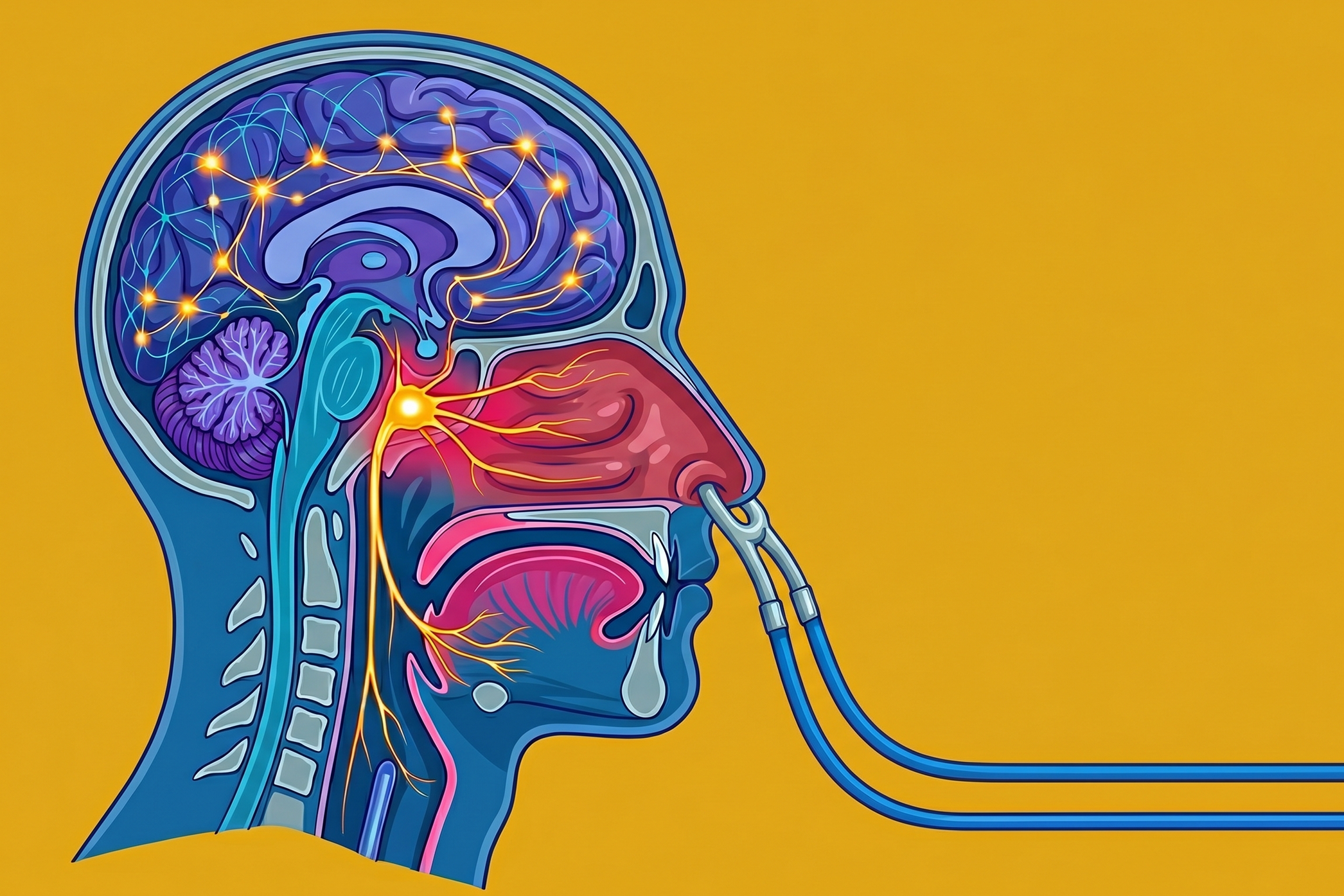
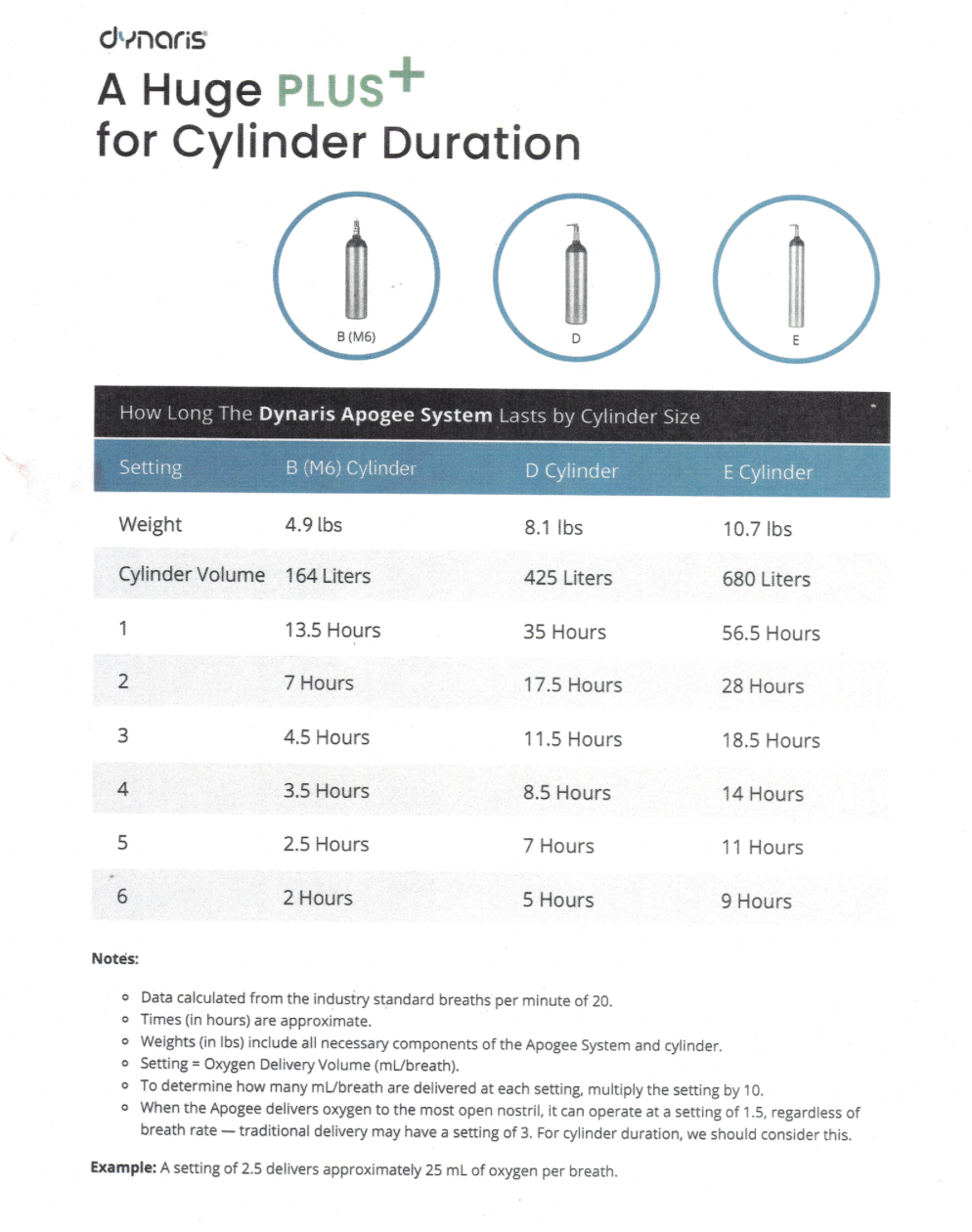
The root cause of insomnia, daytime fatigue, and cognitive impairment can be an autonomic nervous system stuck in a chronic state of hyperarousal. The proverbial “tired but wired.” Trigeminal Thermal Neuromodulation is our non-invasive protocol that acts to heal the autonomic nervous system through the breath.
In traditional sleep medicine, we apply continuous, high-flow air or oxygen to treat insomnia. However, standard continuous-flow devices such as CPAP and continuous nasal cannula oxygen can create friction, dry out the nasal mucosa, and act as a physical irritant. Rather than calming the brain, they can potentially trigger the body’s stress response and disrupt sleep architecture. We use a unique oxygen delivery system that respects the breath cycle and nasal cycling to precisely target the trigeminal nerve with the minimal effective oxygen dose
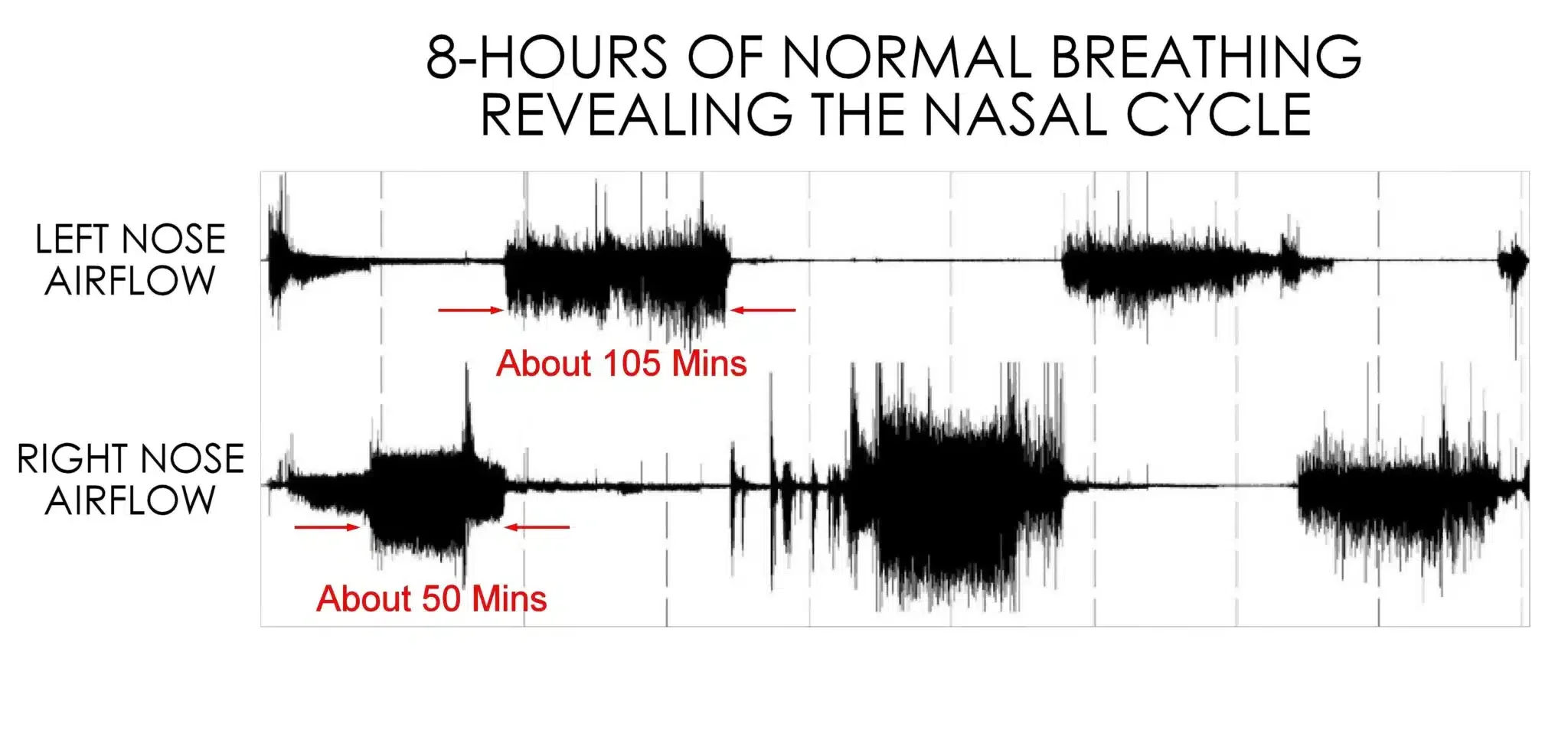
Breathing begins with the nasal cycle
You naturally breathe through one nostril at a time, with airflow going to the dominant nostril, a pattern known as the nasal cycle. We work in harmony with this cycle by detecting nasal resistance and delivering oxygen to the open nostril just before inhalation, resulting in a comfortable therapy experience.
Apogee System
Precise Oxygen Delivery
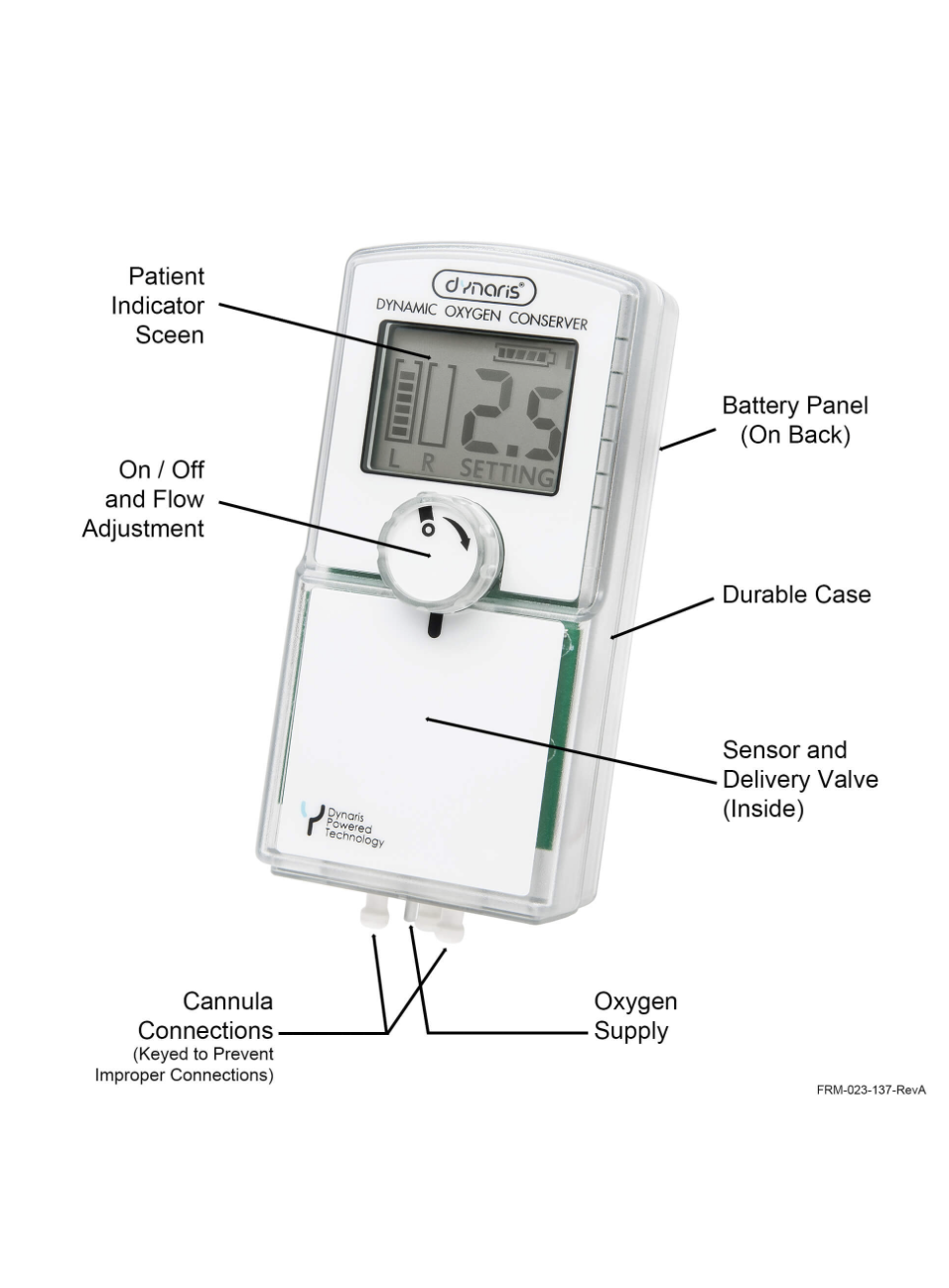
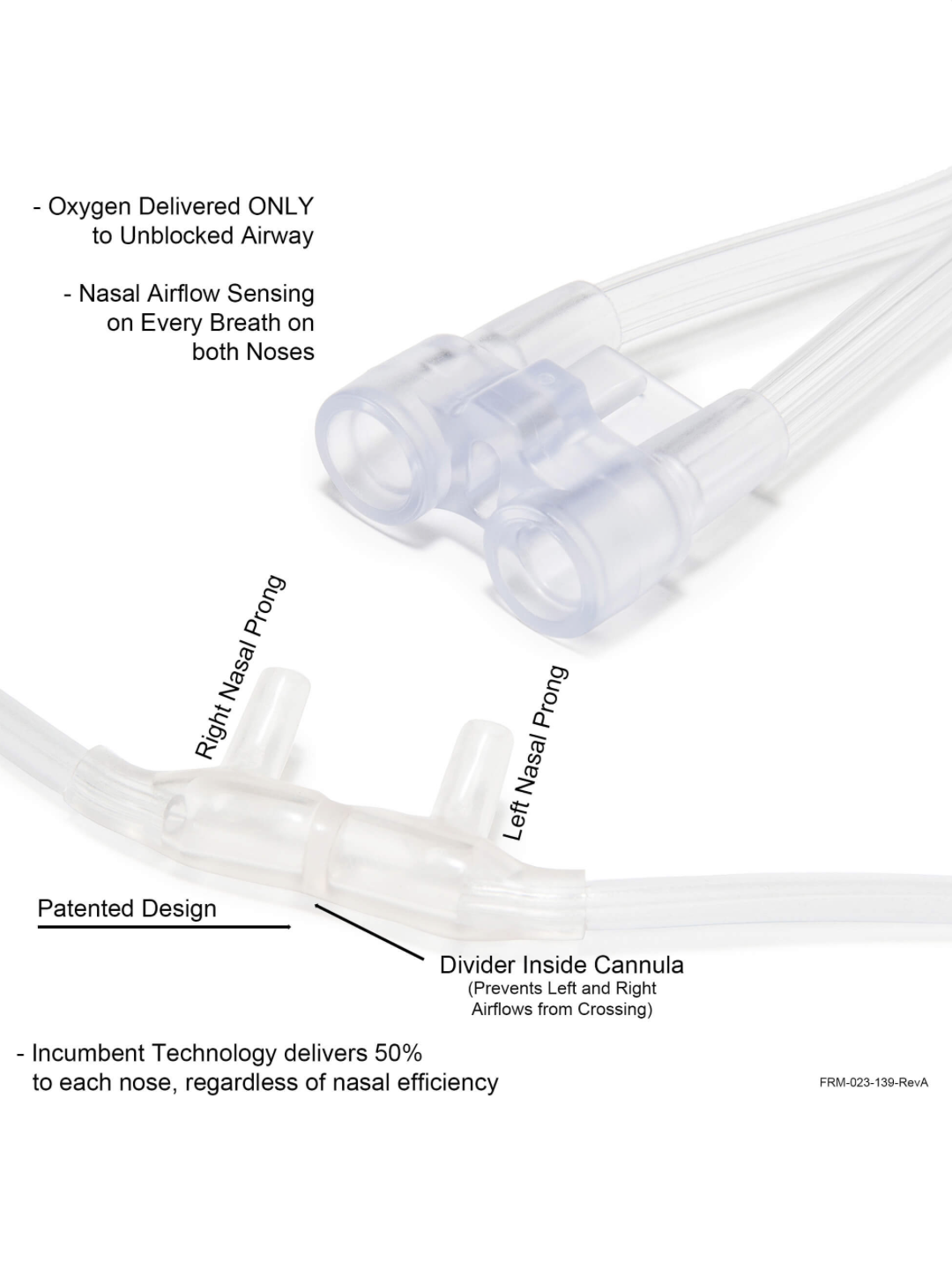
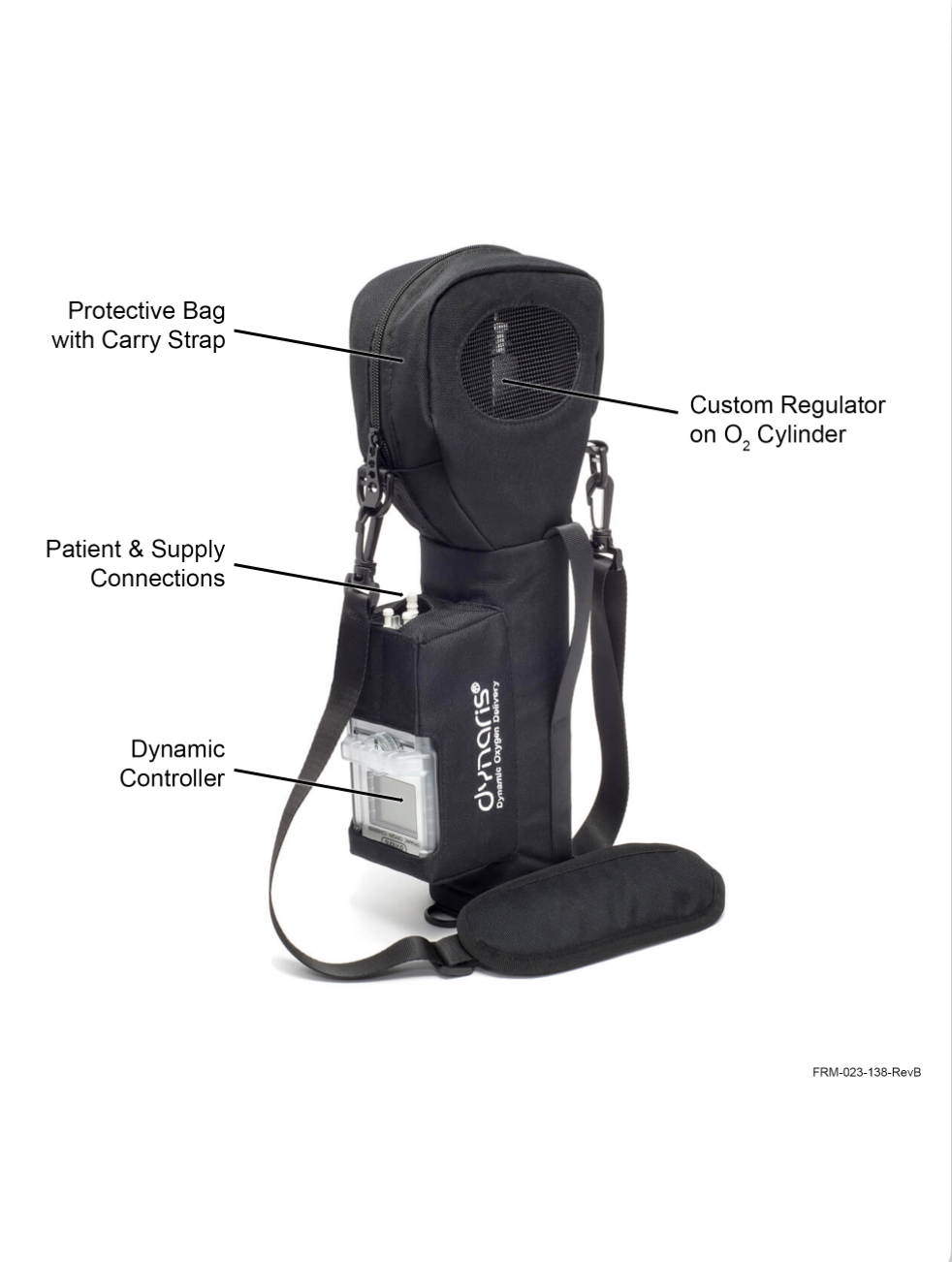
The Apogee System attaches to a small portable cylinder and delivers breath-synchronized pulses of cooled oxygen with precision that no standard cannula can achieve.
The bifurcated nasal cannula enter the left and right nasal airways. Each side is sensed independently on every breath, and the full oxygen pulse is directed to the nostril that is most receptive. The internal divider prevents cross-flow for accurate readings.
By combining these variables, oxygen therapy becomes a highly precise, breath-synchronized thermal trigger. Trigeminal thermal neuromodulation uses the natural cooling properties of micro-dosed expanding gas to stimulate a parasympathetic nerve hub.
Specific Anatomical Target
We aren’t just delivering air; we are targeting the Sphenopalatine Ganglion and the trigeminal nerve, the principal parasympathetic hubs of the parasympathetic nervous system.
Micro-Dose
The device utilizes an ultra-low flow rate. It is virtually imperceptible, eliminating the friction and mucosal damage associated with standard oxygen therapies.
Breath Cycle
At the millisecond you begin to inhale, the device delivers a microscopic pulse of naturally cooled air. This rhythmic cooling stimulates the trigeminal nerve, mimicking the mammalian dive reflex. This instantly signals your brain to lower your heart rate, quiet racing thoughts, and transition into a state of deep relaxation.
Nasal Cycle
The system continuously monitors your natural nasal cycle and delivers a gentle pulse of air only to the most open nostril. This preserves your delicate nasal tissue and prevents the irritation that can occur when forcing air through a congested airway.
Trigeminal Thermal Neurmodulation Benefits
Faster Sleep Onset
By lowering core temperature and quieting the mind, trigeminal thermal neuromodulation reduces the time to fall asleep.
Fewer Awakenings
By reducing systemic adrenaline and opening the nasal airway, the brain experiences fewer micro-arousals, protecting the continuity of your rest.
Deeper Sleep
By removing the roadblock of sympathetic stress, your brain is free to descend into slow-wave sleep, which is when your brain clears metabolic waste and neurotoxins.
Brain Clarity
Quality sleep dictates daytime performance. When sleep is disrupted, your daytime brain map often reveals excess slow-wave activity.. As trigeminal thermal neuromodulation restores your natural sleep architecture, we look for a shift in your daytime brain map: a reduction in delta and theta waves, and a resurgence of alpha waves, which reflect a calm, clear, and focused mind.
Nasal Decongestion
Airway resistance is a massive disruptor of sleep. Trigeminal thermal neuromodulation gently shrinks swollen nasal turbinates via thermal vasoconstriction. Unlike chemical nasal sprays that cause dependency, trigeminal thermal neuromodulation naturally opens your airway for approximately 30 to 90 minutes, the time window you need to comfortably transition into sleep.
The Trigeminal Thermal Neuromodulation Protocol
20 Minutes at Sleep Onset: Used as you get into bed, trigeminal thermal neuromodulation acts as a somatic anchor for your breath. It cools your core body temperature and halts nighttime hyperarousal, allowing you to cross the threshold into sleep.
20 Minutes Upon Waking: Used as you start your day, trigeminal thermal neuromodulation gently stimulates the parasympathetic nervous system to blunt the morning cortisol spike, setting a calm, resilient baseline for your nervous system.
Trigeminal Thermal Neuromodulation acts as a tool for systemic stress reduction. By alleviating acute physiological stressors, specifically autonomic hyper-arousal and metabolic oxygen debt, we create the optimal biological environment for your brain to heal and achieve restorative sleep. Chronic stress, pain, and fragmented sleep keep the central nervous system locked in a state of "fight-or-flight," placing a metabolic burden on the brain. The Apogee protocol addresses this by targeting two specific physiological pathways:
Autonomic Stress Reduction @ Bedtime
If you are struggling with airway resistance or pre-sleep anxiety, the nervous system is often hyper-aroused, flooded with stress hormones that block sleep onset. Inhaling cooled air specifically targets the cold receptors of the trigeminal nerve in the nasal mucosa. Similar to the mammalian dive reflex, this acts as a localized trigger to down-regulate sympathetic dominance. By signaling to the brain that the airway is clear and the body is safe, the nervous system shifts into a parasympathetic ("rest-and-digest") state, allowing for a smoother, calmer psychological and physical transition into sleep.
Metabolic Stress Reduction @ Waking
Individuals with sleep-disordered breathing often awaken with sleep inertia ("brain fog") because their brain has experienced subtle, prolonged metabolic stress throughout the night. A 20-minute morning session of supplemental oxygen temporarily increases arterial oxygen tension (PaO2), immediately correcting the brain's overnight oxygen debt. Supplying this acute cellular energy relieves the hypoxic stress that causes the brain to "idle." It provides a temporary but highly effective physiological boost to alleviate grogginess and support waking alertness.
Neuromodulation
How can a 20-minute, passive protocol can lead to sustainable improvements in daytime quantitative EEG brain maps? The answer lies in the body's natural neuroplasticity and the power of a healthy biological environment. Just as improving systemic metabolic health reduces total-body inflammation, reducing physiological stress allows the brain to clean its own electrical activity. When the brain is under metabolic stress or struggling for air, it produces excess slow-wave activity (i.e., delta and theta frequencies) or frantic fast waves (i.e., beta frequency). The Apogee temporarily relieves this burden, allowing the brain to relax its defensive patterns immediately following a session. By using the Apogee to consistently break the cycle of pre-sleep panic and airway stress, you are empowered to fall into deeper, more restorative delta sleep that clears metabolic waste. Over time, it is this improved, low-stress biological environment that yields a sustainably healthier, normalized daytime brain map.
This evidence-based, adjunctive protocol is designed to support specific individuals by mitigating the physiological stress cycles that exacerbate their conditions.
Targeted Clinical Applications
Insomnia & Pre-Sleep Anxiety
Trigeminal cooling counters frontal lobe hyperarousal, forcing a parasympathetic shift that quiets a racing mind and lowers autonomic tension. The Apogee acts as a physiological adjunct to behavioral sleep therapies. It actively reduces sleep latency while promoting deeper, more consolidated sleep architecture by preventing stress-induced micro-arousals.
Upper Airway Resistance Syndrome
For those intolerant to CPAP, the evening cooling reflex calms the pre-sleep airway panic, while the morning oxygen pulse helps clear lingering sleep inertia. The Apogee serves as a physiological bridge to temporarily alleviate morning cognitive fog and support the nervous system through the sleep transition.
Migraines & Headaches
High-flow oxygen is a recognized abortive therapy that promotes cerebral vasoconstriction, interrupting the neuro-vascular pain cascade. By consistently stopping the acute pain cycle, the central nervous system can exit its chronic "fight-or-flight" state.
Sleep Inertia & Brain Fog
Delivers highly efficient pulse-doses of pure oxygen directly to the cortex upon waking to correct mild nocturnal oxygen desaturation. It relieves the localized metabolic stress of waking hypoxemia, offering an acute boost in subjective energy and cognitive focus.
A Sustainable Solution
Unlike pharmacological sleep interventions, Trigeminal Thermal Neuromodulation does not rely on receptor binding and carries no risk of chemical tolerance or dependency. The therapeutic mechanism is a thermal nerve reflex, one of the most conserved physiological responses in mammalian biology. The micro-dosed delivery preserves nasal mucosal integrity indefinitely. There is no ceiling effect, no washout period, no rebound insomnia. The longer it is used, the more the nervous system learns to associate the breath with safety and sleep with possibility.
Frequently Asked Questions
-
The 1 to 6 dial on the Apogee System represents the clinical therapeutic equivalent of Liters Per Minute (LPM), not the actual continuous volume of air. Because the Apogee is a pulse-dose conserver, it does not blast a continuous stream of air. Instead, it delivers a precise micro-dose (a "bolus") of oxygen at the exact millisecond you inhale. This ensures you get the therapeutic equivalent of 1 to 6 LPM without the massive, continuous physical volume of air that dries out nasal passages.
-
The Apogee utilizes a uniform pulse dose algorithm. It is calibrated to deliver 16 cc (mL) of oxygen per breath, per setting level.
Setting Level & Volume Delivered Per Breath
Setting 1 16 cc
Setting 2 32 cc
Setting 3 48 cc
Setting 4 64 cc
Setting 5 80 cc
Setting 6 96 cc
-
To determine the actual physical volume of air moving through the device in a minute, you multiply the per-breath volume (cc) by your respiratory rate (breaths per minute). Assuming a standard resting breathing rate of 15 to 20 breaths per minute (BPM), the actual physical LPM range is approximately 0.24 LPM on the lowest end to 1.92 LPM on the highest end.
Here is the breakdown at the extremes:
At Setting 1 (The Lowest Setting):
At 15 breaths/min: 16 cc x 15 = 240 cc/min (0.24 LPM)
At 20 breaths/min: 16 cc x 20 = 320 cc/min (0.32 LPM)
At Setting 6 (The Highest Setting):
At 15 breaths/min: 96 cc x 15 = 1,440 cc/min (1.44 LPM)
At 20 breaths/min: 96 cc x 20 = 1,920 cc/min (1.92 LPM)
-
-
-
-
-