The Sun and the Moon (Chapter Twelve)
“So give me hope in the darkness that I will see the light”
The doctor walks in.
"It's time."
You think about all the surgeries you've endured, the countless hours spent in this sterile, unforgiving environment, and the gradual disfigurement. Each cut disguised as healing.
"How many surgeries does this make, Doctor? I can't remember anymore. I hope…"
your voice fades as the anesthesia drags you under. The doctor remains silent under the blinding lights of the surgical lamp.
Blackness. Then, the harsh return of the lights.
"Where am I? What happened? I can't remember anything."
Once again, the wheel comes full circle. The doctor checks your vital signs after another fruitless surgery in an unending cycle.
The good doctor eases back and looks you in the eye.
"Our treatment plan requires one final procedure. It holds the key to your salvation."
The air catches in your throat. You lie there, paralyzed, as the uncertainty of the doctor's proposition presses down on you. You cling to hope. Maybe this procedure will be the one that sets you free. You close your eyes, bracing yourself for whatever comes next. The doctor leans in, applying the cool gel to your scalp.
"We are going to stimulate your brain. Try not to flinch."

Order
They called him the Elephant Man. Joseph Merrick was imprisoned by disease, with bones enlarged, skin thickened. He struggled to walk, breathe, and rest. His pain was structural and social. Every misaligned angle disrupted how he lived. But beneath that distorted form was a man, articulate and thoughtful, trying to escape nature's broken blueprint.
"I am not an animal."
Function follows form, and when form fails, despair follows.
There is an order to everything. Your face is structured in precise thirds and fifths, ratios that define symmetry and balance. The brain carries an order that isn't visible to the eye. That’s where the Fast Fourier Transform, first explored by Carl Friedrich Gauss, becomes crucial. When viewing brain waves through a spectral lens, hidden patterns emerge. The invisible becomes visible. Whereas facial structure reveals form through proportion, the brain reveals its rhythm through frequency. When form aligns with nature's design, beauty and function emerge, and from that harmony, we heal.

Alpha by Day,
Delta by Night
There was a time when the sun and the moon shared the sky. They shone together, light upon light, day after day, never resting. The world, though flooded with brilliance, never slept. The trees stopped growing. Rivers ran dry. The animals did not dream. In time, the sun burned out, and the moon, stripped of light, dimmed. Only then did darkness return and, with it, rest. As the earth sighed, sleep returned. Roots deepened. Life repaired itself in the quiet. From then on, the sun and moon took turns: one to awaken, one to restore. One to bring energy, focus, and movement. The other to bring stillness, healing, and sleep. Their rhythm enlivens our world.
The brain follows a similar rhythm, moving through patterns as distinct as day and night. During waking hours, your brain enters alpha. Alpha is the rhythm of presence: steady, focused, and composed. It's the wave behind mental clarity, creativity, and a grounded sense of being. At night, delta rises. These slow, rolling waves carry you into deep, dreamless sleep, where the body mends, memories settle, and the system renews.
Alpha by day. Delta by night. When you honor this internal rhythm, your thoughts, mood, energy, and sleep strengthen. Like the sun and moon, your brain needs light and dark, action and rest, wakefulness and release. Follow that pattern and flourish.

Meditate
A prince left luxury in search of inner peace. He sat beneath a tree, unmoving, as storms rolled in and insects crawled across his skin. In that stillness, his mind changed. What emerged was transformation. Siddhartha Gautama became the Buddha, and the rhythm of his mind, once scattered, settled into something more profound: presence.
Meditation helps the brain shift into a calmer, coherent alpha rhythm. These brainwaves, ranging from 8 to 13 Hz, are prominent when awake, eyes closed, and attention gently focused. During meditation, alpha waves become synchronized across the brain. Alpha synchronization leads to a quieter mind, reduced stress, and a remarkable ability to stay grounded in the moment. It is not about zoning out; it is about tuning in. Alpha waves create the mental space for calm alertness, emotional balance, and a clearer sense of self. In many ways, meditation teaches the brain to rest while awake and to soften without shutting down, a state many people rarely experience in the modern world.
In stillness, his mind changed. And with alpha, so can yours.

Hormones
They called her the Widow of Windsor. After Albert died, Queen Victoria wore black for forty years. Beneath the veil was a woman whose chemistry had turned against her. The childbearing years had hollowed her out. Her womb had been both cradle and battlefield, and the hormones that once moved in rhythm now surged and crashed. Hormones unraveled her from the inside out, flooding her blood with signals that mimicked madness. Her thoughts came unstitched. Her sleep fractured. Her grip on reality slipped. She was not wicked. She was unmoored by a mind meant to anchor her.
When your hormones are in balance, your brain finds its rhythm, enabling you to feel grounded during the day and renewed at night. Hormones regulate mood and energy but also help shape the brain's internal tempo. During wakefulness, they support the soft, steady rhythm of alpha waves: a state of relaxed focus, emotional clarity, and present-moment awareness. At night, they enable the body to drop into delta waves, the deep sleep where healing, memory, and renewal occur.
We are merely puppets on a string, the brain our silent master. It is the chemistry behind your thoughts, the rhythm beneath your rest. When your internal signals are aligned, your brain knows when to let go and when to restore. You move through the day with clarity, and sleep through the night with depth.
In the end, even a queen cannot rule a kingdom with an enemy within.
Nootropics
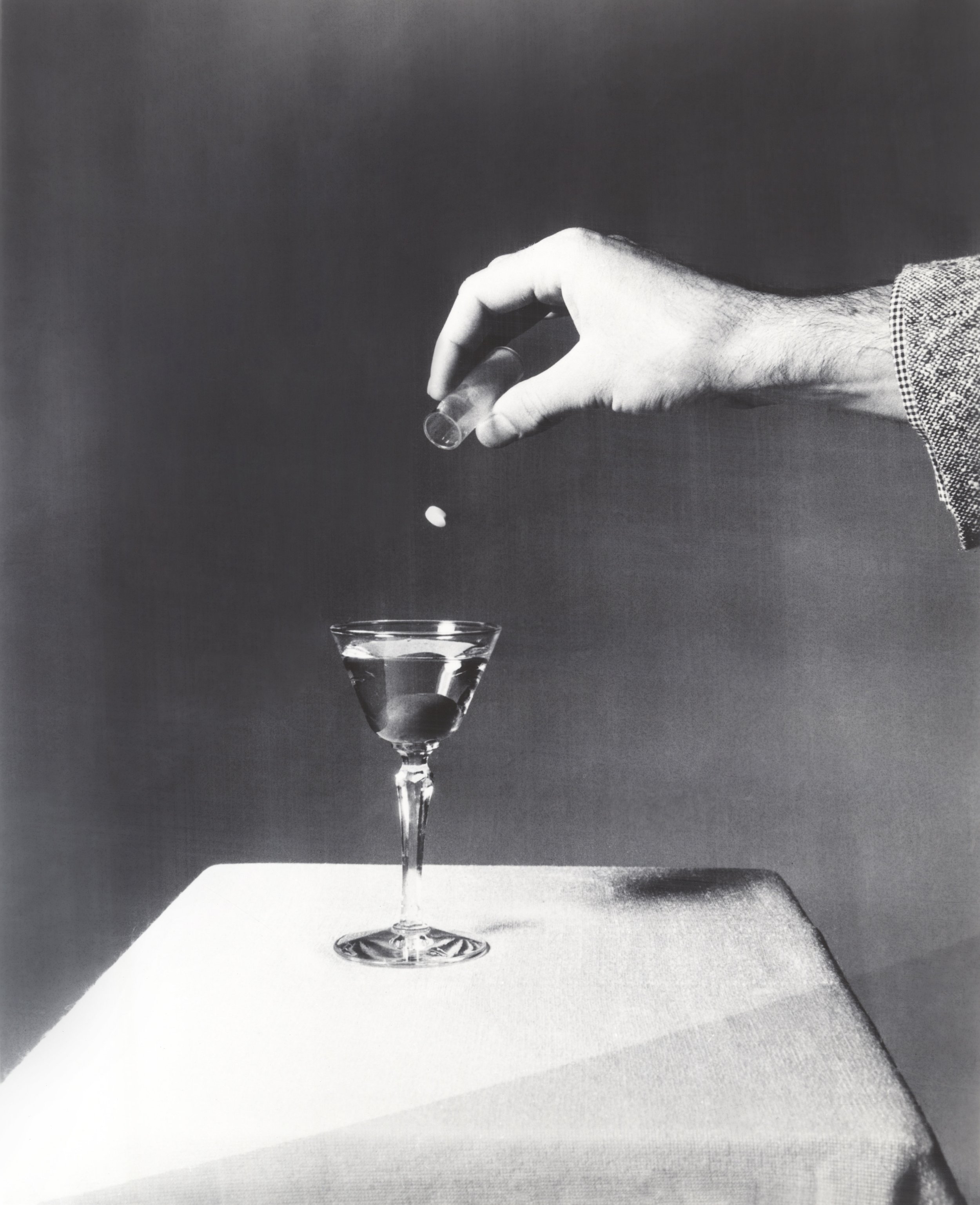
"Can I buy you a drink?"
You remember the music. Loud, pulsing, hypnotic. You remembers the drink. Clear, clean, ordinary. What you do not remember is the next six hours.
GHB: odorless, tasteless, and devastating. It silences consent and erases memory.
Here is the irony: the same compound can treat narcolepsy, where delta wave sleep is fragmented. It is a reminder that brain chemistry does not moralize. It simply responds. The same substance that steals agency, deepens sleep and stabilizes brain wave patterns.
This duality is not unique to GHB. This is true of many compounds that interact with the brain, where dosage, context, and intent define the line between harm and healing. There is a quiet power in the rhythms of the brain. Alpha waves carry the mind into calm focus. Delta waves cradle it into a deep, dreamless sleep. Nootropics, tools for sharper thinking, may also help tune these delicate frequencies. By influencing the brain’s chemistry, they can encourage a state of relaxed clarity when we are awake and support the deep descent into restorative sleep.
Maybe that is what we are all looking for, not oblivion, but balance. Something clear. Something clean. A little peace. A quiet mind.

Don’t Fight. Take Flight.
I got into my first fight in fourth grade. The class bully cornered me on the school playground during recess after I stuck up for another kid he was picking on. I could have run, but I was right, and he was wrong, so I decided to fight. He took the first swing, but being in peak physical form, I could react quickly and clearly block the punch with my nose. I then sprang to the ground, knocking him over and pinning him down on top of me. I stuffed my ear between his teeth and jabbed his fingers with my eye. There would be no mercy. I lost my mind. Letting out a screeching wail, I pounded him in the knee with my stomach and hit him in the fist with my jaw. He had enough. He glanced around and ran scared as I rested on the ground. It was that day I came to know the awesome power of my deadly hands. I decided it was best never to fight again.
The fight-or-flight response is the innate survival instinct our cave-dwelling ancestors used to survive attacks by saber-toothed tigers and wooly mammoths. Once the danger passed, they calmed down and continued with their lives, painting stick figures on walls.
Today, there are no wooly mammals. Instead, the most serious threat to your survival is poor oral posture and cranial dystrophy. It's as if an invisible hand is covering your face and gently suffocating you day and night. The constant state of stress elicits distress. Here lies the problem. The body is not designed to live in a state of fear; it wears you down, taking a toll on your well-being.
Every moment, you are making a primal decision. You may fight, but it is better to take flight by running, jumping, pedaling, swimming, skating, climbing, and climbing. Knowing that the energy is there, knowing that it must be dealt with, choose exercise. Movement does not just loosen tension; it rewires the brain. Exercise boosts oxygen flow, soothes the nervous system, and nudges the mind into smoother rhythms: alpha for sharp, quiet focus and delta for deep, healing sleep.
Don't strike; take flight. Run, run, run away, and maybe, just maybe, you will make it to Heaven one day.
Oxygenate
.
“Thirty more minutes. Are you ok?”
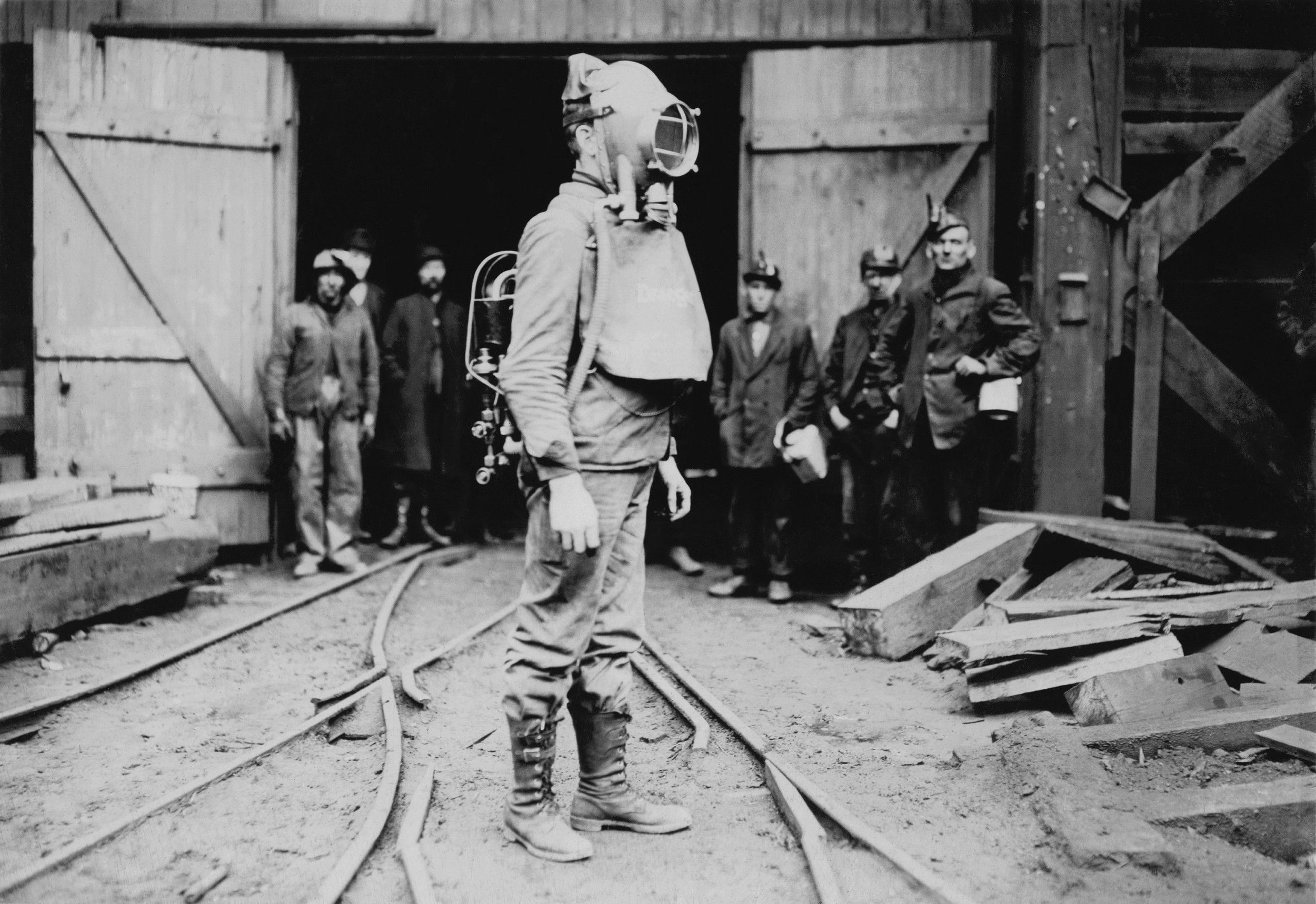
You lie sealed in a steel coffin humming with pressure. The air thickens, forcing its way into your lungs. Oxygen floods you, heavy and relentless, pressing against the walls of your skull. You are drowning in air, trapped in a bubble. The pressure behind your ears grows sharper as though the oxygen is penetrating layers of you it was never meant to reach. It is not calm. It is a cold, mechanical grip, feeding your brain what it craves while you fight the urge to claw your way out.
"I feel great."
Oxygen has a job to do. It carries no intention. It does not choose calm or chaos; it simply fuels the machinery that makes either possible. Every thought, every wave of focus or surrender, begins with oxygen meeting neurons in a silent exchange. It guides the brain into alpha rhythms, those gentle pulses of wakeful stillness. And as the body slows, sinking into sleep, oxygen keeps up its steady work, cradling the slow, sweeping delta waves that mend and restore.
We rarely see breath as brain food. Yet sometimes, the deepest shift comes not from what we take in through the mind but through the lungs.

Stimulate
They told you it would not hurt, just a flicker of current, like a whisper against the scalp. But you had read too much and watched the grainy videos late at night. You sat in the sterile chair anyway, heart thudding like a war drum, the electrodes pressed against your skin.
“We're just going to help your brain find its rhythm,” the good doctor said, all sunshine and lies.
You didn't want help. You wanted out. What terrified you wasn't the machine. It was the idea that a few invisible pulses could reshape your mind. That transcranial stimulation could summon alpha waves to smother your restless thoughts or delta to drown them in dreamless depths. You feared the quiet it promised. Because what if, in that stillness, you forgot what the noise felt like? What if the version of you that awoke wasn't you at all?
You didn’t scream. You smiled.
Brain stimulation enhances alpha and delta brainwave activity. That much, they all agree on. By targeting regions of the brain, they can entrain oscillations, guide them, mold them. Alpha to quiet. Delta to bury. They call it relaxation. Restoration. A tool for the restless mind.
Let's not talk about what it takes to get there.
Chapter Twelve Conclusion